AI for performance marketing: ChatGPT, Claude, or Plurio?
What you can build with a general-purpose AI assistant, what your team still has to own, and what Plurio takes on.

Say you’ve connected ChatGPT or Claude to your ad account. You ask which campaigns need attention and get a useful answer.
Now you want it to do that every day, follow your rules, and work for the whole team.
Of course you can build that. We did too. The question is how much time your team wants to spend building, checking, and maintaining it.
Plurio includes an AI agent. It also brings the marketing rules, a shared workspace, and people who adapt the process to your goals and keep it working.
1. Decide what AI should take on
Start with the work you want off your team’s plate. Does the agent need to answer a question, recommend a change, or make that change every day?
Building a focused tool around ChatGPT or Claude can be quick when you’re on your own. You know what you want to try, and you can check the result yourself.
You can change a report or try a new rule without waiting for a product update. For one media buyer with a small budget, that may be all you need.

You still need to know what to ask. In my live conversation with Vadim Chernikov, Head of Growth at Endel, he said he spent much of his time figuring out the question before he could use the answer.
Claude or ChatGPT can sound confident. You’re still responsible for what you do with the answer. Vadim explains why getting the question right takes work.
Vadim Chernikov · Head of Growth, Endel
Vadim explains why figuring out the question can take more work than getting the answer.
Get the full Endel sessionOnce the agent starts making recurring decisions for a team, you need rules people agree on, checks you can trust, and someone to keep it working.
2. Give it targets and decision rules
Before the agent can recommend a change, you have to tell it what a good result looks like.
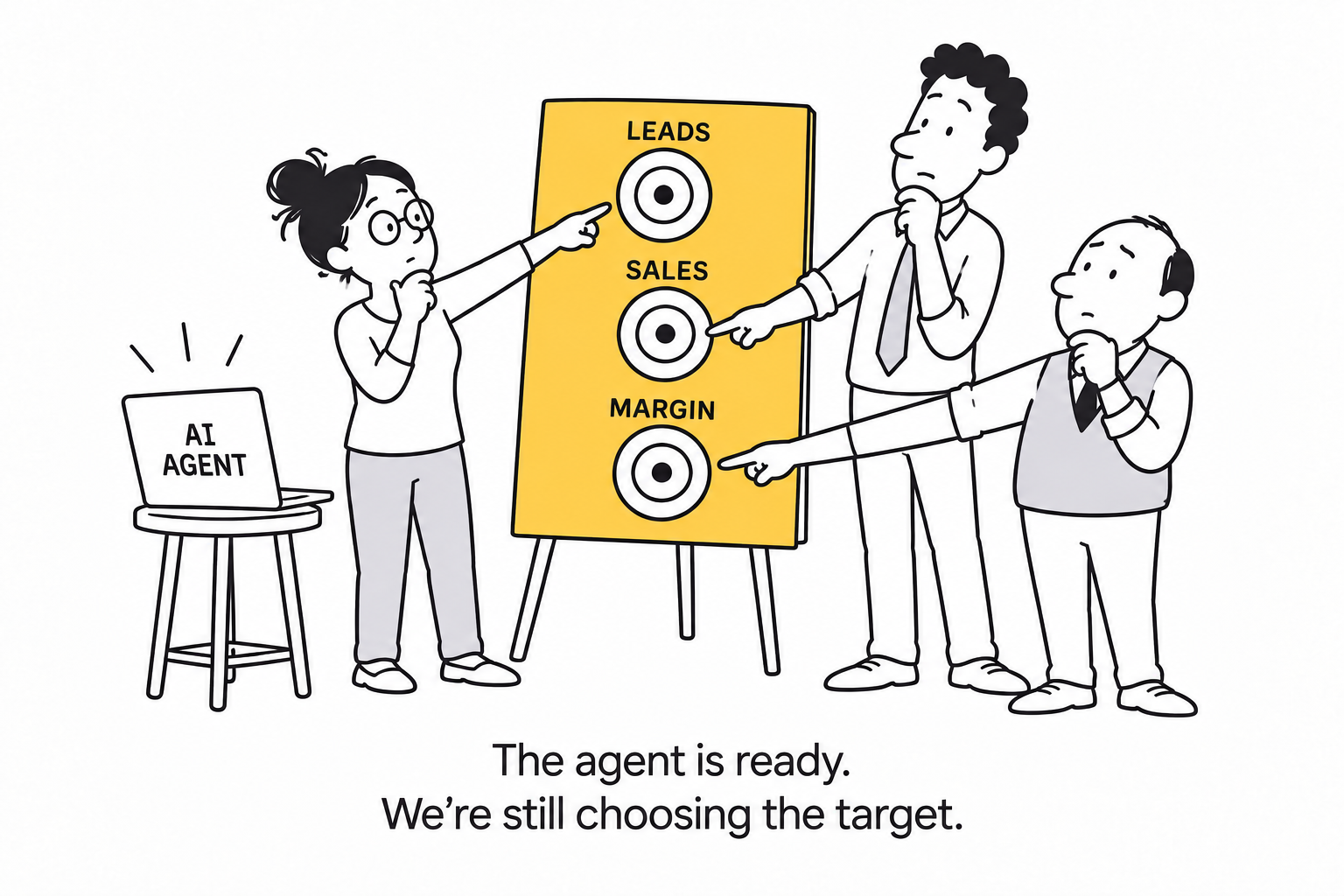
In our webinar, Max Epifanov, VP of Performance Marketing at TripleTen, explained how his team does that. Each month, managers agree on targets for every channel, from leads through to purchases. The agent uses those targets to judge performance.
You can teach an agent built with ChatGPT or Claude your method. You also have to check that it follows it and update it when your approach changes.
That marketing method is a big part of Plurio. The agent works with marketing rules and limits on the actions it can take. People on our team check the data and the logic, using what we learn across clients.
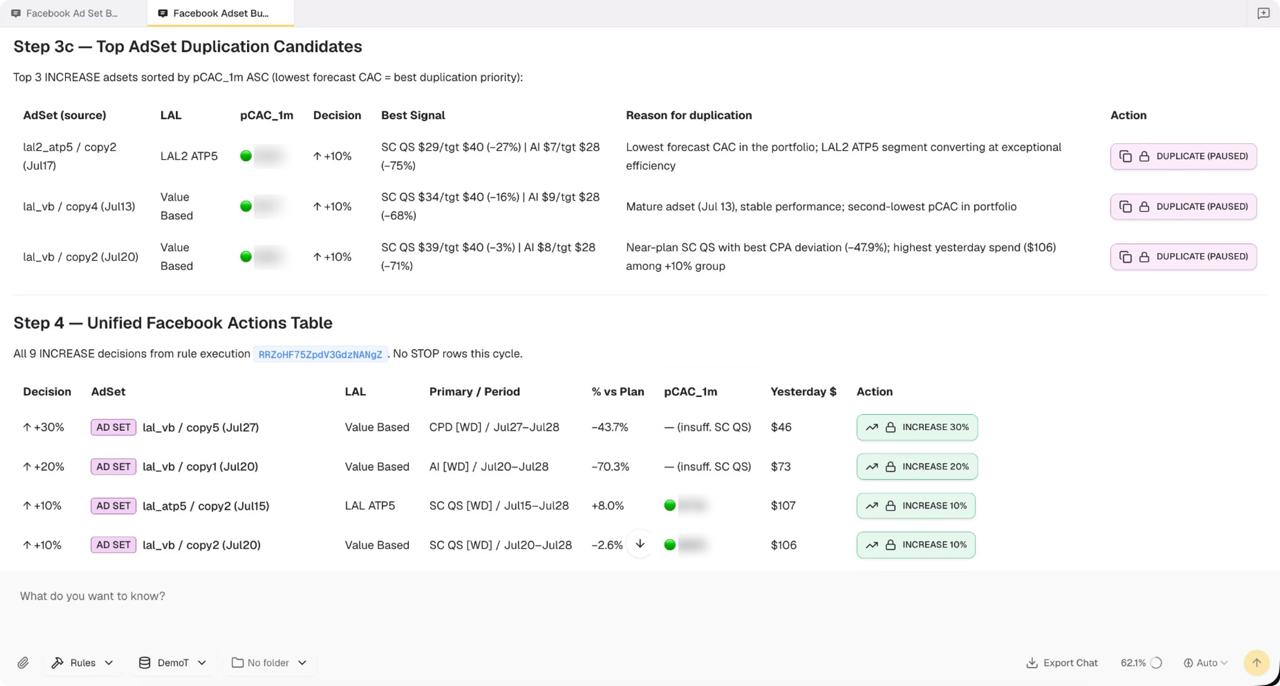
For Max, clear targets also help the team understand why the agent recommends a change. Here’s how he sets them up.
Max Epifanov · VP of Performance Marketing, TripleTen
Max shows the funnel targets his team gives the agent before it recommends changes.
Watch the full TripleTen webinarThis clip uses demonstration figures.
3. Get the team working from the same rules
With a personal tool, a lot of context can stay in your head. Once a team uses it, you have to write that context down.
Everyone needs the same rules. They also need to know who can change them, who can approve an action, and what has already happened in the account.
Two people shouldn’t trigger the same budget change because neither can see what the other is doing. The agent also needs to account for changes made directly in the ad platform.
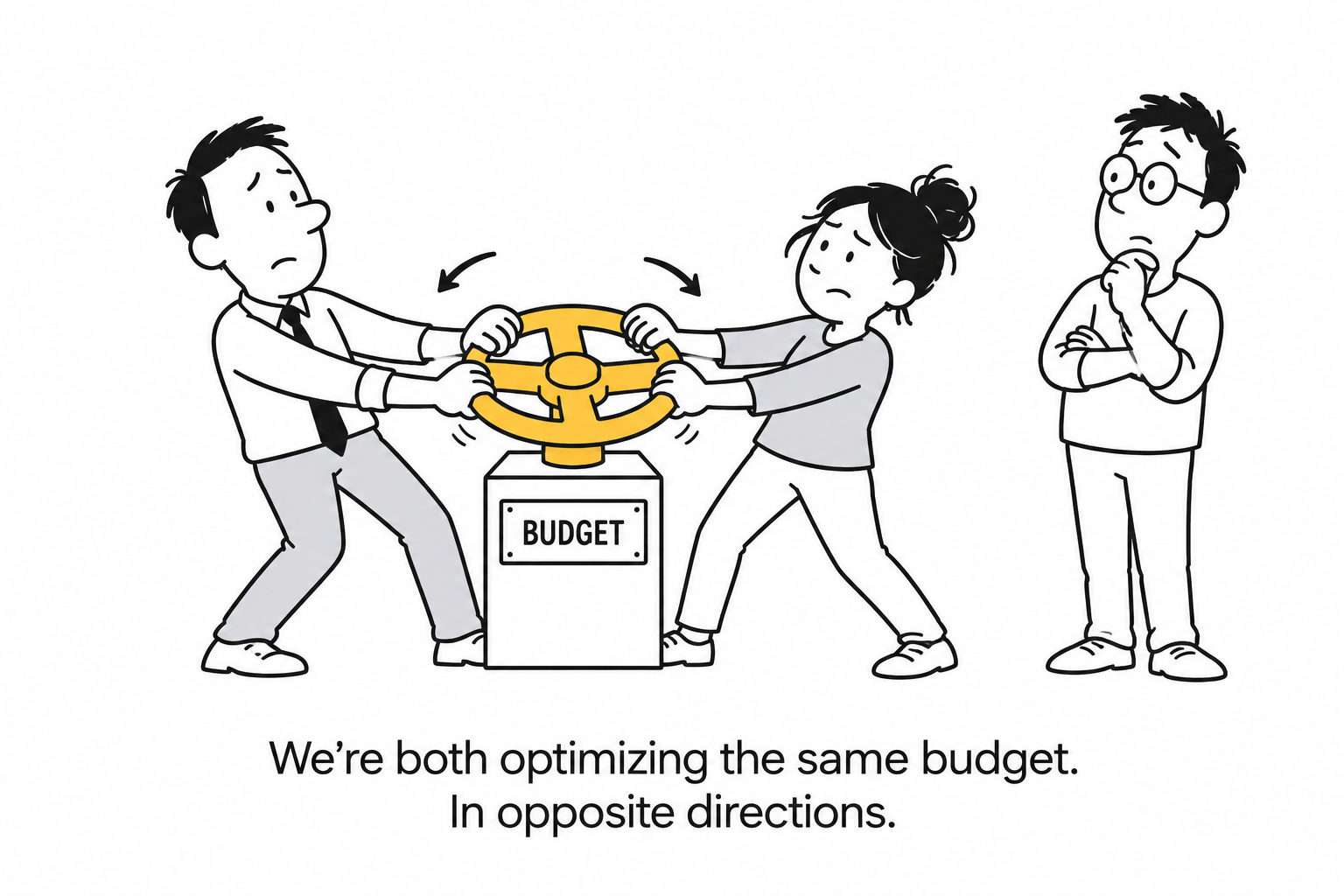
You can build all of this around ChatGPT or Claude. You’ll also own the work of keeping it running.
At Plurio, we give the team a shared workspace. You choose who can change what. Someone can use the agent without having permission to automate actions or change critical settings.
TripleTen needed a shared approach across 7+ paid channels, 1,000+ ad entities a month, and a two-month sales cycle in the US and Latin America. Its case study describes one playbook applied across campaigns, ad sets, and creatives.
Max wanted to know that everyone was actually using the agreed metrics. If a decision went wrong, the team could look at the shared approach and fix it.
Max Epifanov · VP of Performance Marketing, TripleTen
Hear why Max wanted every buyer using the same metrics and decision rules.
Watch the full TripleTen webinar4. Make the work happen regularly
You can know exactly when an ad should be paused and still miss the moment to pause it.
People forget. Meetings get in the way. There are too many campaigns to check and too many buttons to press. A buyer reviews the campaign totals but never gets down to the individual ads.
Being able to press a button doesn’t mean you’ll press it every hour.
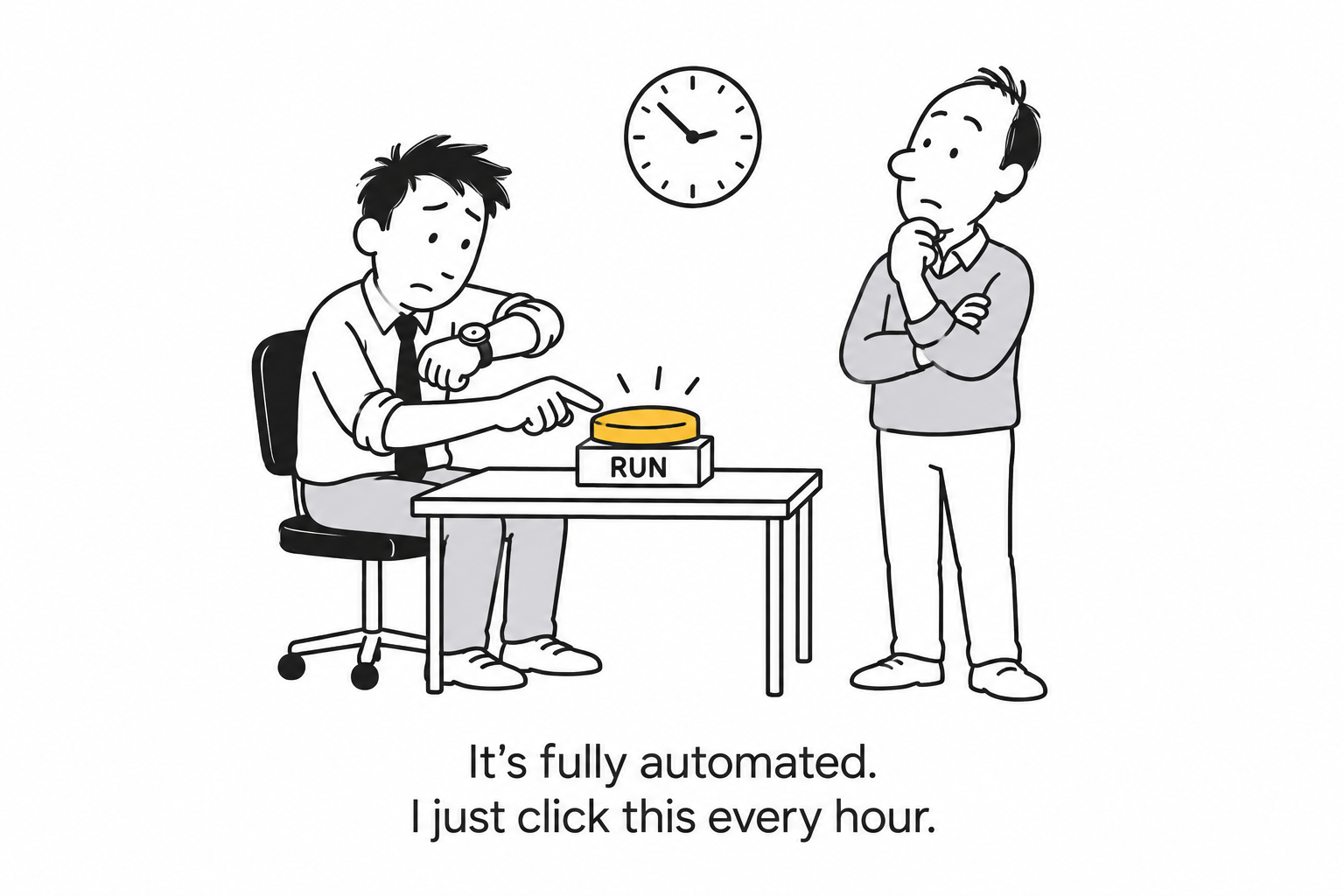
That was the problem Max wanted TripleTen to solve. The rules needed to run even when a buyer missed a campaign check.
Max Epifanov · VP of Performance Marketing, TripleTen
Max explains why campaigns still miss a check, even when the team knows what to do.
Watch the full TripleTen webinarTripleTen reports that automating 40+ recurring tasks freed 60 hours per week. That’s work the team no longer has to repeat by hand.
At Finom, manual reviews across multiple markets took too long to run as often as needed. Plurio added recurring analysis and automated campaign management for Google and Meta.
From November 2025 to March 2026, Finom’s case reports 38% more new clients, 33% lower CAC, and 8% less ad spend overall.
5. Check decisions before and after they run
Check before you automate
A recommendation can look right and still need checking. Before you let it change a budget, make sure it follows your rules.
I’d start with a simple check: give the agent the same data repeatedly and see whether it reaches the same decision.
Getting the same answer twice doesn’t tell you it’s right. You still need to check it against your rules.
This is part of building with ChatGPT or Claude, too. If you haven’t checked, you’re trusting the model. And when the process changes, someone has to check it again.
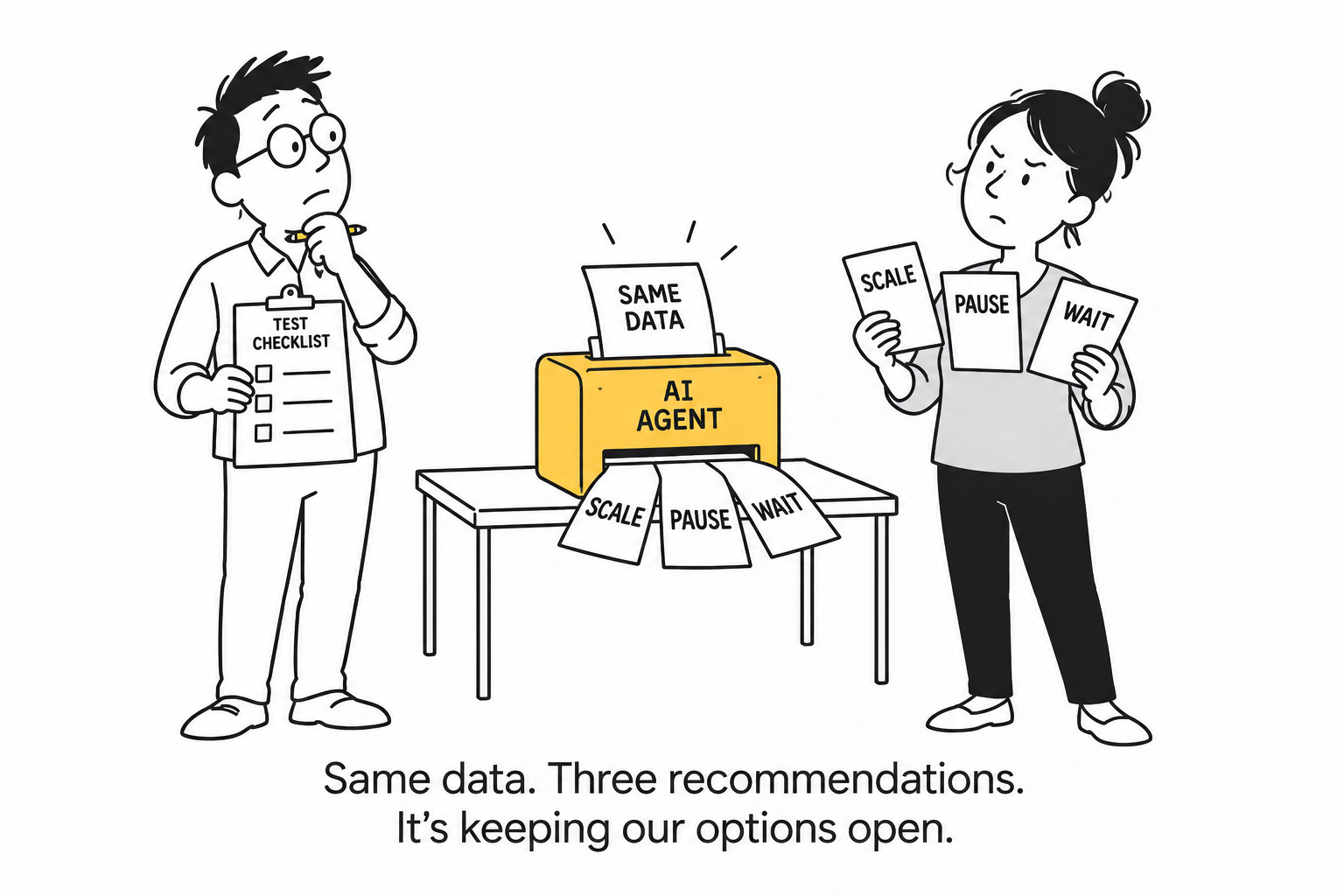
In the Endel session, I explained how we check our marketing logic and use rules with fixed conditions for repeatable actions. The agent’s analysis still needs checking. Setting up those rules takes work. A confident answer in a chat doesn’t do it for you.
Tanya Leonova · Head of Growth & Partnerships, Plurio
Tanya explains the checks and fixed conditions behind Plurio’s automated actions.
Get the full Endel sessionTripleTen compared Plurio’s recommendations with the decisions its team would make before switching on the first automated rules. In the case study, Max said that “10 out of 10 of the agent's recommendations matched what we'd take ourselves.”
That gave the team confidence to hand over some actions. At the time of the webinar, it had automated stopping underperforming creatives and increasing budgets on selected campaigns.
Max explains what the team checked before removing manual approval.
Max Epifanov · VP of Performance Marketing, TripleTen
See what TripleTen checked before handing over selected actions to the agent.
Watch the full TripleTen webinarReview what happened after the action
After an action runs, you need to see what happened next.
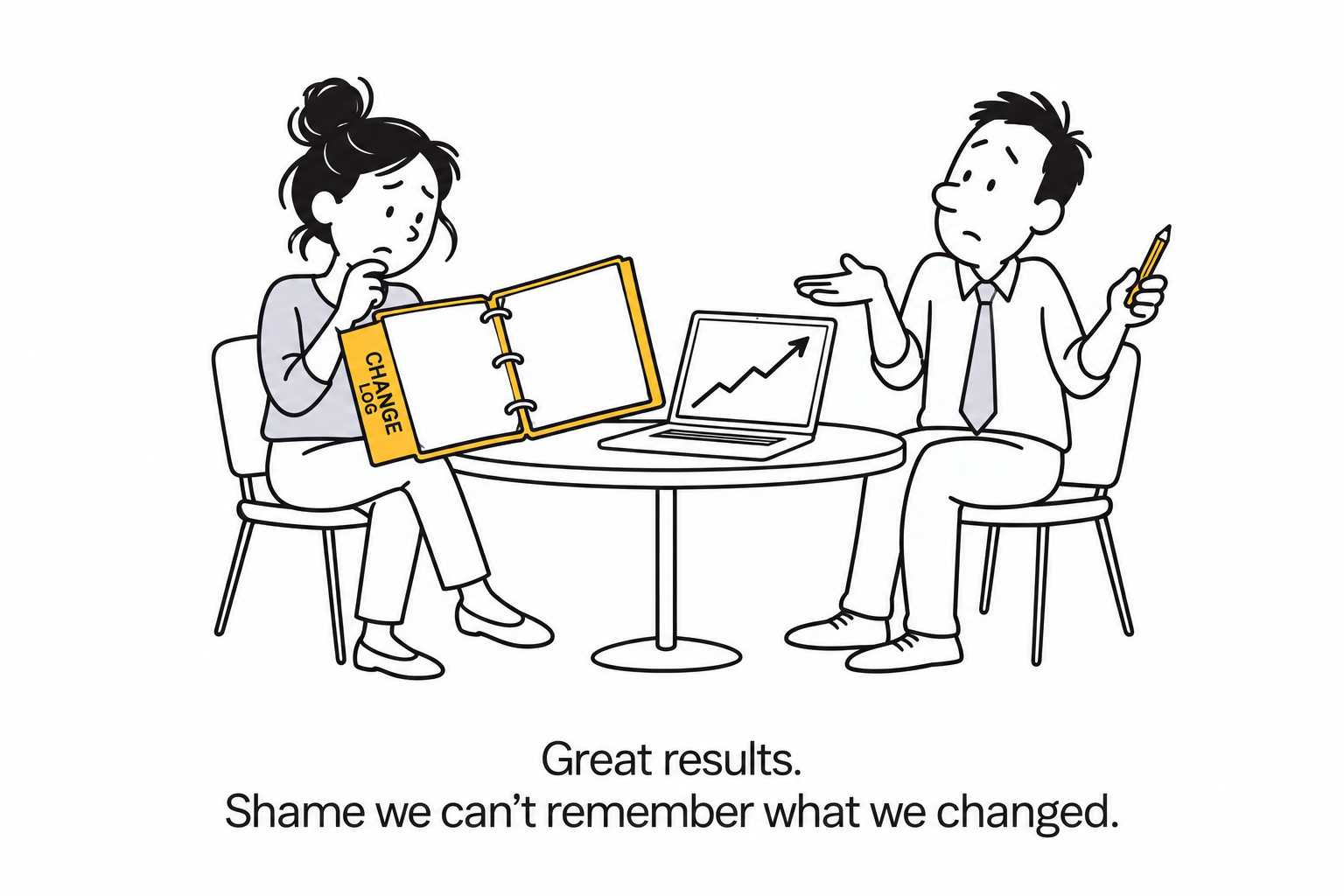
At Plurio, we save actions taken through the agent. Max shows how the team can look back over a month and ask which decisions worked and which didn’t.
That also saves the team from logging every change in a separate spreadsheet, a process Max says is hard to keep up.
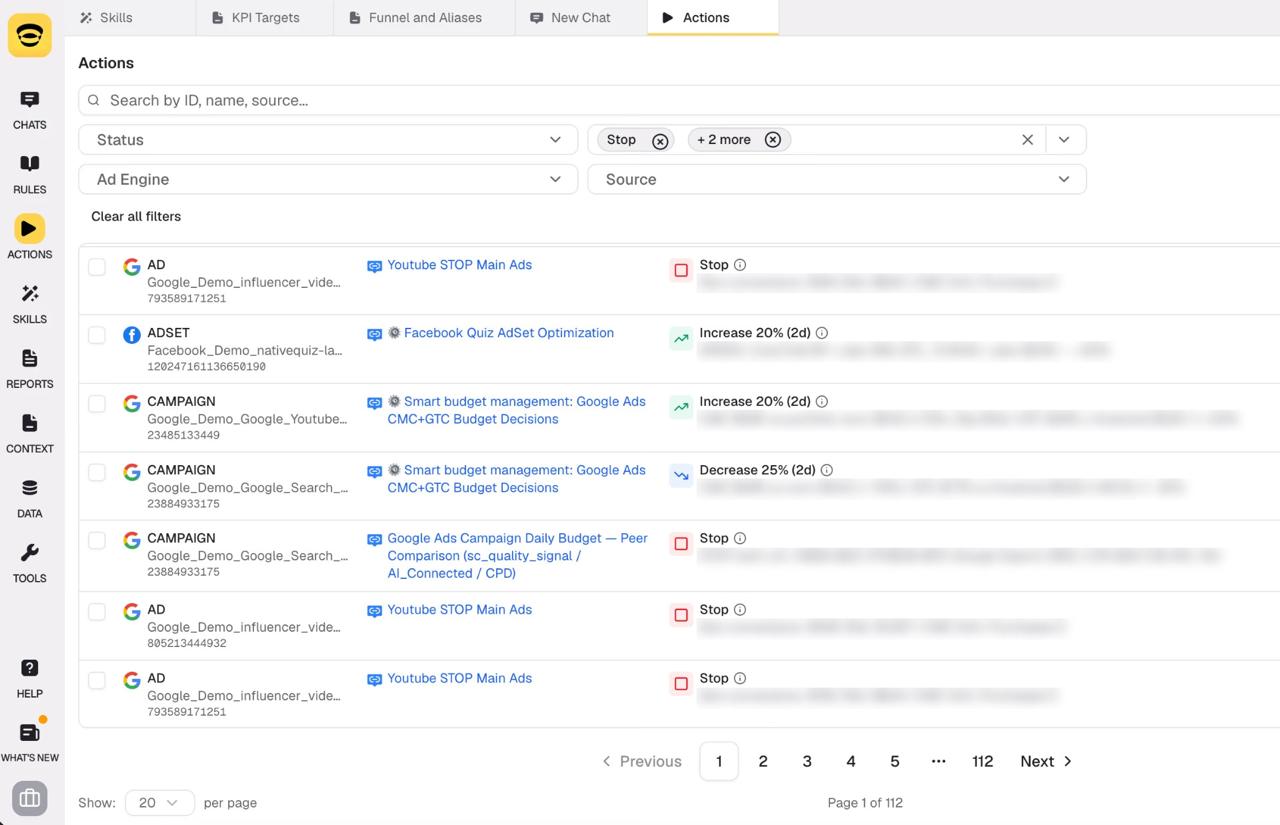
Max Epifanov · VP of Performance Marketing, TripleTen
Max shows how saved actions let the team review a month of decisions.
Watch the full TripleTen webinarRevisit decisions when the data changes
Sometimes an ad looks unpromising because its conversions haven’t arrived yet. Vadim asked how an agent avoids stopping a potential winner too early. I explained how Plurio revisits paused creatives, giving us the option to bring them back as the data changes.
The first decision can still be wrong. You need a way to catch that and reconsider it.
Vadim Chernikov & Tanya Leonova
Vadim asks about ads paused too early. Tanya explains how Plurio revisits them.
Get the full Endel session6. Plan who keeps it working, and what it costs
Rules change. Results look wrong. Someone has to figure out why and fix the process. That takes time away from their other work.
Building the first version may be quick. You still need someone to own it six months later.
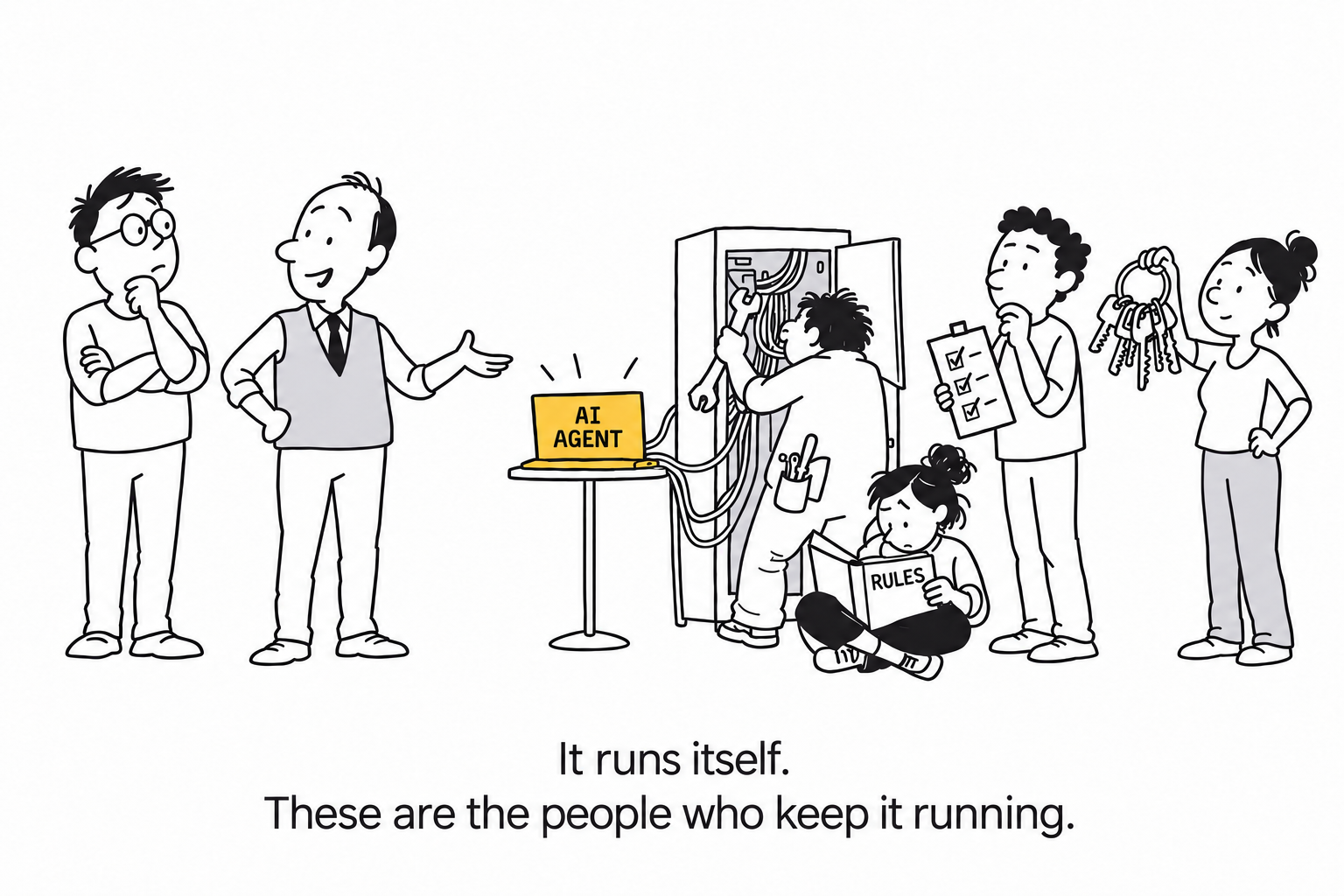
Matej Lancaric raised this ahead of our live session with Endel. His post describes how connecting Claude made it easier to combine data, while the team still had to check the output and debug the agent.
Read Matej’s post about the Endel session
At Plurio, that ongoing work is part of what you’re buying. We bring the agent, the marketing expertise, and people who adapt the process to your goals and check how it works.
Put a price on the development time
Our rough estimate for building Plurio is six months with two full-time developers, then eighteen months with three. That adds up to about 66 developer-months. Product work, design, testing, and marketing expertise came on top.
Your DIY tool may need far less work. This is a reference for what went into Plurio. Enter your monthly developer cost to see what that time would cost your team.
That covers developer time alone. The other people, ongoing maintenance, and losses from mistakes are extra—even when nobody sends you a separate invoice for them.
Choose the work your team wants to own
I think of it like building your own CRM. You can do it. You also have to keep developing and supporting it while running the rest of your business.
A setup built around ChatGPT or Claude may be enough if the job stays narrow, you can check the output yourself, and someone has time to keep it working.
Plurio may fit when several people need shared rules, you want recurring checks and actions handled, and you want marketing expertise and ongoing support with the agent.
Want to work through it with us? Tell us what you want to improve and how your team buys media today. On the demo call, we’ll suggest what Plurio could take on, how we’d adapt it to your process, and where our marketing specialists would help keep it working.
Book a tailored demo